Pixopedia Font: A Versatile Choice for Crafters
First Impressions of Pixopedia Font
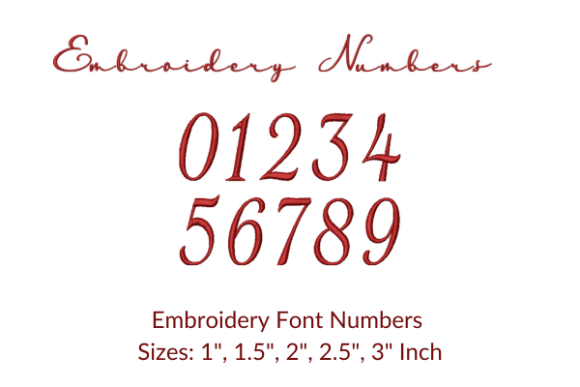
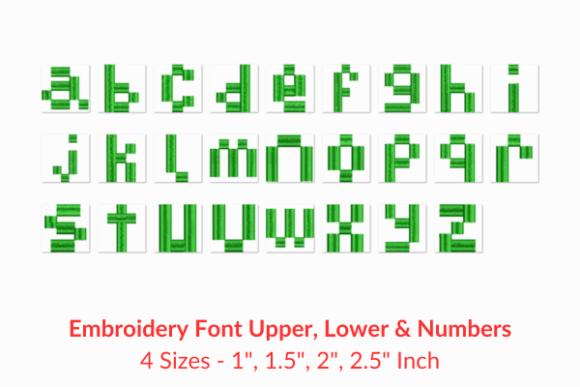
When I first saw the Pixopedia Font, it struck me as a modern and elegant embroidery font. The clean lines and well-balanced letters give it a premium feel, making it perfect for adding a touch of sophistication to any craft fair product.
Performance on Handmade Products
Let's dive into how Pixopedia Font performs on various items:
- Tote Bags: This font is ideal for personalizing tote bags. The clear, readable style makes it easy to add names or quotes, which can be a big seller at craft fairs.
- Aprons: For apron embroidery, Pixopedia Font adds a professional and stylish touch. It’s perfect for kitchen aprons, especially when you want to add a name or a fun quote.
- Kitchen Towels: On tea towels, the font looks crisp and clean. It’s a great choice for adding a family name or a festive message, enhancing the overall appeal of the towel.
- Hats and Caps: While the curved surface of caps can be challenging, Pixopedia Font works well if you keep the text short and sweet. It adds a modern, polished look to any cap design.
- Patches: For embroidered patches, this font is excellent. The clean, bold letters make the patch stand out, whether it’s a small accent or a larger focal point.
- Fabric Pouches and Pillow Covers: On these items, Pixopedia Font adds a touch of elegance. It’s perfect for adding a name, date, or a meaningful quote, making each piece unique and special.
Practical Selling and Production Points
Pixopedia Font is easy to read at a glance, which is crucial for catching the eye of potential buyers. Whether used as a small accent or a large focal design, it maintains its clarity and impact. For online listings, this font photographs beautifully, making your products look professional and high-quality.
For batch production, Pixopedia Font
While Pixopedia Font is versatile, there are a few things to keep in mind: Pixopedia Font enhances the visual appeal of your products, making them more attractive to customers. The modern and elegant style adds value to each item, whether it’s a tote bag, apron, or pillow cover. This font also helps in maintaining brand consistency, giving your booth a cohesive and professional look. To maximize buyer engagement, consider creating a few real mockups using Pixopedia Font. Display these prominently at your booth to showcase the font’s versatility and quality. For Etsy sellers and other online platforms, high-quality photos of these mockups will help attract and retain customer interest. Here are some practical tips for using Pixopedia Font: By following these tips, you can ensure that Pixopedia Font enhances the quality and appeal of your handmade products, making them stand out in a crowded market.Careful-Use Notes
Enhancing Visual Appeal and Customer Engagement
Embroidery Designer Tips
🔗 You Might Also Like